Student Loan Refinancing: When to Refinance, Top Criteria & Pitfalls (2026)
📌 Key Takeaways & Executive Summary
- Core Refinance Mechanism: Refinancing replaces your existing student loans with a single new loan issued by a private lender at a new interest rate and repayment term.
- Credit & Income Barometer: Competitive private refinance rates require a credit score of 700+ (ideally 740+) and a solid debt-to-income (DTI) ratio under 45%.
- The Federal Trade-Off: Refinancing federal debt with a private lender permanently strips away federal protections like SAVE, PSLF, and hardship deferments.
- Break-Even Math: Refinancing makes the greatest financial sense when you can lower your interest rate by 1.5% to 3.0% or shorten your term without penalty.
Student loan refinancing is among the most potent financial instruments available to creditworthy graduates. By consolidating existing student loans into a new private loan with a reduced annual percentage rate (APR), borrowers can save tens of thousands of dollars in interest and cut years off their debt-freedom timeline.
However, refinancing is not a universal solution. For federal student loan borrowers, refinancing carries an irreversible consequence: the complete and permanent forfeit of federal repayment protections, income-driven repayment plans, and public service loan forgiveness programs.
1. How Student Loan Refinancing Works
When you execute a refinance, a private financial institution (such as SoFi, Earnest, Laurel Road, or Citizens Bank) evaluates your financial creditworthiness. If approved, the new lender pays off your existing lenders in full and issues a brand-new promissory note with updated terms:
| Dimension | Before Refinancing | After Refinancing |
|---|---|---|
| Number of Loans | Multiple disparate loans (sub, unsub, private). | Single consolidated loan account. |
| Monthly Bill | Multiple statements across varying servicers. | One unified monthly statement and single payment. |
| Interest Rate | Weighted average (often 6.8% to 9.5%). | New customized market rate (often 4.5% to 6.2%). |
| Federal Protections | Retained if held under federal Direct program. | Permanently forfeited. Private terms apply. |
2. When Refinancing Is a Brilliant Financial Decision
Interactive Refinance Savings & APR Comparison Tool
Compare your current loan against private refinance offers to calculate exact interest savings
Refinancing delivers immense value when the following conditions are met:
- You Already Hold High-Interest Private Loans: If your debt is already private (from Sallie Mae, Discover, etc.) with interest rates of 8% to 14%, you have no federal protections to lose. Refinancing to a lower interest rate is pure financial upside.
- You Have a High, Stable Income and Emergency Fund: Borrowers with reliable corporate salaries who do not anticipate needing unemployment deferment or income-driven repayment can safely trade federal flexibility for guaranteed interest savings.
- You Work in the Private Sector: If you work for a for-profit corporation, you are ineligible for Public Service Loan Forgiveness (PSLF) regardless of whether your loans remain federal.
- Your Credit Profile Has Improved Dramatically: If you built your credit score from 650 up to 760+ after graduating, private lenders will reward you with their prime rate tiers.
3. Refinancing Cost-Savings Analysis
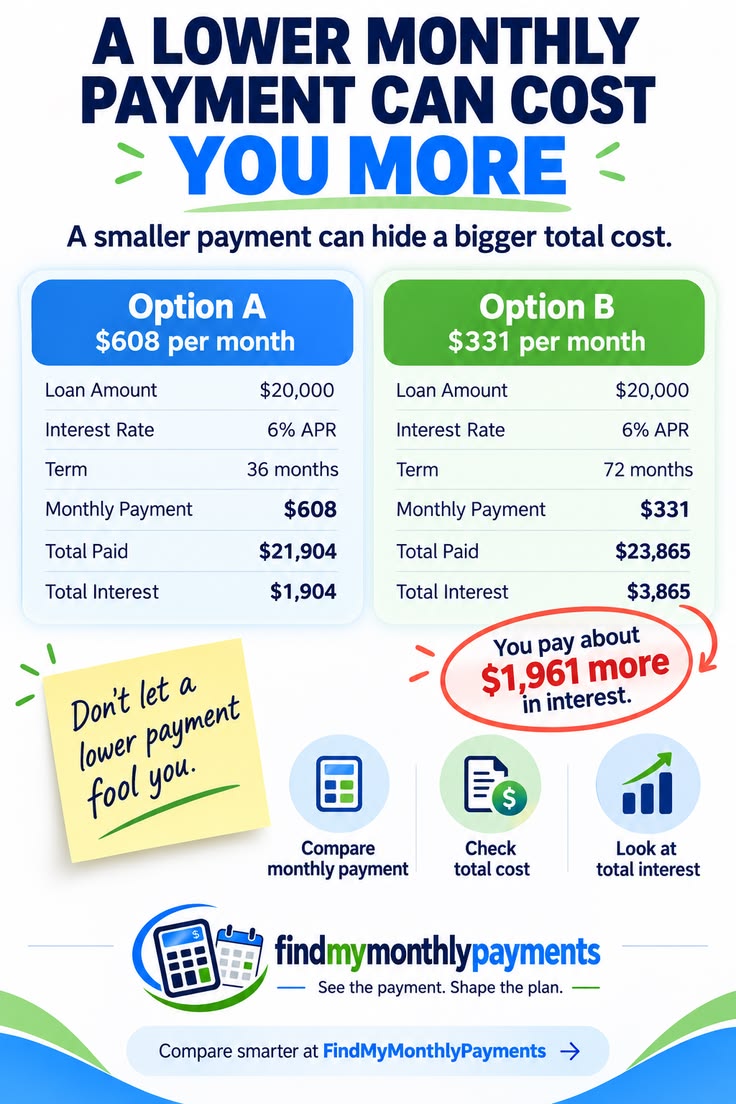
To quantify the financial upside of refinancing, examine this simulation of a borrower holding $60,000 in student debt at 7.5% APR with 10 years remaining:
📊 Refinancing Case Study: $60,000 Balance
• Current Status Quo (7.5% - 10 Yrs): Monthly payment = $712. Total lifetime interest = $25,528.
• Refinance Option A (5.0% - 10 Yrs): Monthly payment = $636. Total lifetime interest = $16,364. Total Savings = $9,164.
• Refinance Option B (4.5% - 5 Yrs): Monthly payment = $1,119. Total lifetime interest = $7,118. Total Savings = $18,410 and debt-free 5 years faster!
4. Crucial Checklist: When NOT to Refinance Federal Loans
Do NOT refinance your federal loans if any of the following apply to your situation:
- You are pursuing Public Service Loan Forgiveness (PSLF) in government or non-profit roles.
- Your income fluctuates significantly or you have less than 3 months of emergency savings.
- You rely on income-driven monthly caps (SAVE, PAYE) to afford basic cost-of-living expenses.
- You anticipate potential disability or economic hardship in the near future.
5. Frequently Asked Questions (FAQ)
Does applying for student loan refinancing hurt my credit score?
Prequalifying with online refinance lenders uses a soft credit check, which has zero impact on your credit score. If you proceed with a formal application, a hard inquiry will be placed, typically causing a temporary 3 to 5 point drop.
Can I refinance my student loans multiple times?
Yes! There are no limits to the number of times you can refinance student loans. If benchmark interest rates drop or your income increases in future years, you can refinance again without paying any prepayment penalties or origination fees.
What is the difference between federal consolidation and private refinancing?
Federal Direct Consolidation combines multiple federal loans into one federal loan at the weighted average interest rate rounded up to the nearest 1/8th percent, preserving federal programs. Private refinancing replaces your loans with a commercial loan at a newly underwritten lower interest rate.

Written by Marcus Vance, CFP®®
✓ Fact-Checked & ReviewedLead Financial Aid & Student Debt Strategist
Marcus Vance is a Certified Financial Planner (CFP®®) specializing in higher education financing, federal loan restructuring, and student loan repayment optimization. He has analyzed hundreds of student debt portfolios to help graduates minimize interest and achieve debt freedom.