How Long Does It Take to Pay Off Student Loans? Timelines & Averages (2026)
📌 Key Takeaways & Executive Summary
- The Statutory Standard: Federal student loans default to a 10-year repayment schedule (120 monthly installments).
- The Empirical Reality: Federal Reserve data reveals the median American student loan borrower takes 21.1 years to completely clear their balance.
- Extended Plan Horizons: Federal Extended and Consolidation repayment options stretch loan obligations to 20, 25, or 30 years.
- Compression Velocity: Contributing an extra 20% to 30% monthly toward principal compresses standard 10-year timelines down to 5 to 7 years.
When students sign their initial Master Promissory Note (MPN), the document clearly references a standard 10-year repayment schedule. Naturally, most borrowers assume they will make their final payment at age 32 and enter their thirties completely debt-free.
Yet according to data from the Federal Reserve and the Consumer Financial Protection Bureau, the median American student loan borrower actually requires over 21 years to fully extinguish their collegiate debt. In this guide, we analyze the factors that prolong repayment, examine empirical timelines across debt balances, and provide actionable blueprints to compress your debt-freedom horizon.
1. Standard Statutory Timelines vs. Real-World Averages
Compare the official theoretical loan repayment timelines against actual empirical outcomes across the United States:
| Repayment Structure | Official Term | Typical Real-World Payoff Age | Primary Reason for Timeline Drift |
|---|---|---|---|
| Standard 10-Year Plan | 10 Years (120 Mos) | Age 32 - 34 | Followed strictly only if income allows uninterrupted payments. |
| Income-Driven Repayment (IDR) | 20 - 25 Years | Age 42 - 47 | Monthly payments tied to income; remaining balance discharged at term. |
| Extended Repayment Plan | 25 Years (300 Mos) | Age 47 - 50 | Low monthly payments elected for cash flow relief. |
| National Median Average | 21.1 Years | Age 43 - 45 | Forbearance pauses, economic deferments, and plan switches. |
2. Why Repayment Takes Twice as Long as Anticipated
The gap between the standard 10-year projection and the 21-year reality is driven by four predictable lifecycle events:
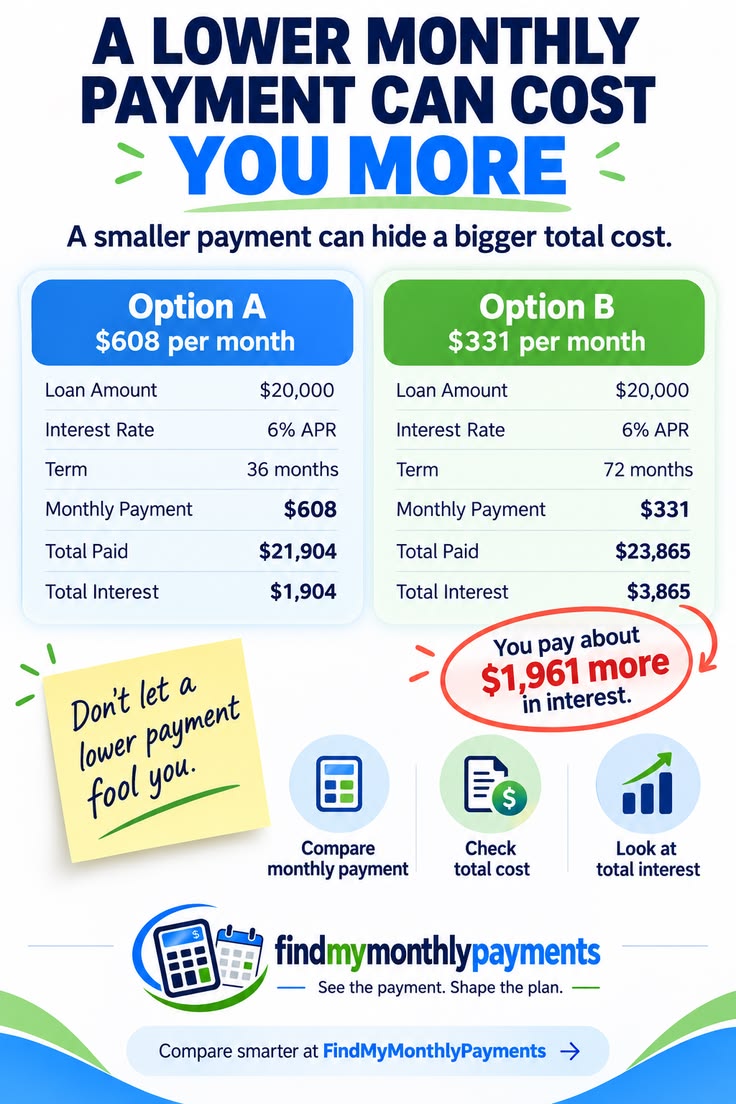
- Discretionary Forbearance Pauses: Over a 10-year span, borrowers face job transitions, medical leaves, or economic emergencies, utilizing temporary forbearance. During forbearance, payments stop but daily interest continues to accumulate, setting back amortization progress.
- Transitioning to Lower Payment Plans: When budgets tighten, borrowers switch from the Standard Plan to Extended or IDR plans, cutting monthly payments but extending terms by 10 to 15 years.
- Graduate School Deferments: Returning to school pauses repayment, while unsubsidized graduate debt begins compiling, dramatically enlarging the total balance.
- Lack of Targeted Prepayments: Borrowers who make minimum payments without allocating extra cash to principal never accelerate through the amortization curve.
3. How to Compress Your Payoff Timeline to 5–7 Years
To defeat the 21-year national average and eliminate your debt within 5 to 7 years, implement these three acceleration principles:
- The 15% Salary Allocation: Allocate 15% of your gross monthly income to student loans rather than the standard 8-10% minimum.
- The Bi-Weekly Protocol: Make half-payments every two weeks to execute 13 full payments each year, shaving over 18 months off a 10-year term automatically.
- 100% Windfall Dedication: Apply all annual tax refunds, performance bonuses, and cash gifts directly to principal reduction.
4. Frequently Asked Questions (FAQ)
How does loan consolidation affect my payoff timeline?
Direct Consolidation combines multiple loans into a single loan with a term ranging from 10 to 30 years based on total debt balance. Consolidating over $60,000 automatically triggers a 30-year default repayment term unless you specify otherwise.
Can I pay off my student loans in 5 years without a massive salary?
Yes! Keeping housing expenses low (e.g. roommates or living with family for 1-2 years), driving an older paid-off vehicle, and generating $300-$500/month through weekend side income allows borrowers with average salaries to extinguish $30,000-$40,000 balances in 5 years.
Does paying off student loans early hurt your credit score?
Closing any installment loan account can cause a minor, temporary 5 to 15 point dip in your credit score due to changes in credit mix and average account age. However, this is temporary, and eliminating debt dramatically improves your debt-to-income ratio for future mortgage approvals.

Written by Marcus Vance, CFP®®
✓ Fact-Checked & ReviewedLead Financial Aid & Student Debt Strategist
Marcus Vance is a Certified Financial Planner (CFP®®) specializing in higher education financing, federal loan restructuring, and student loan repayment optimization. He has analyzed hundreds of student debt portfolios to help graduates minimize interest and achieve debt freedom.