7 Tactics to Lower Student Loan Interest Charges and Total Cost (2026)
📌 Key Takeaways & Executive Summary
- Lender Rate Concessions: Enroll in autopay for an immediate 0.25% APR rate cut; explore credit union loyalty rate discounts.
- Tax Deductions: Claim up to $2,500 in student loan interest deductions on IRS Form 1040, lowering your net federal tax liability.
- Employer Repayment Match: Take advantage of IRC § 127 employer student loan assistance providing up to $5,250 annually tax-free.
- Private Refinance Optimization: High-credit borrowers can refinance high-rate private debt to capture substantial rate reductions.
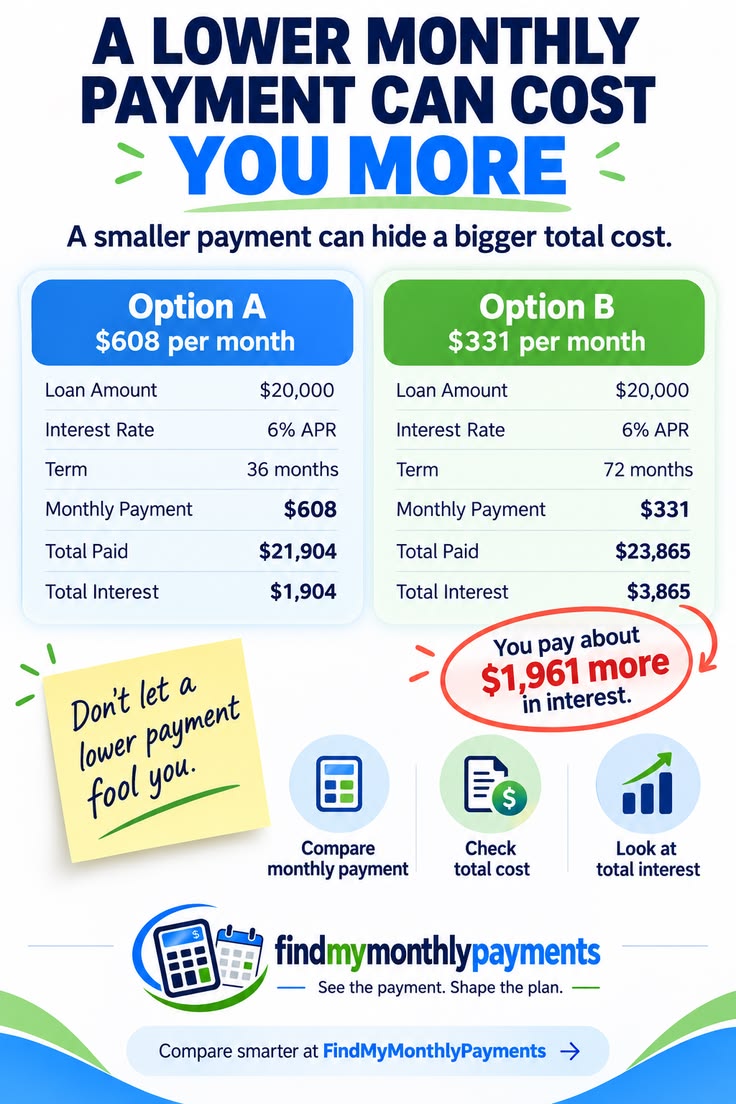
While borrowing for higher education is often unavoidable, surrendering tens of thousands of dollars in interest charges is not. Borrowers who take a passive approach end up paying 40% to 70% above their borrowed principal; proactive borrowers deploy legal and financial tactics to systematically reduce their interest overhead.
In this guide, we review 7 proven tactics to reduce the effective interest rate on your student debt, leverage institutional discounts, and maximize tax deductions.
1. Tactic 1: Institutional Auto-Debit (ACH) Discounts
Every major federal student loan servicer and commercial private lender offers a statutory 0.25% interest rate discount upon establishing automated electronic monthly bank transfers. On a $50,000 balance over 10 years, this single click saves over $750 in interest while ensuring you never suffer a late payment fee.
2. Tactic 2: Leverage the Bi-Weekly Payment Hack
By dividing your monthly student loan bill into two equal halves and remitting payment every 14 days, you make 26 half-payments per year—totaling 13 full monthly payments instead of 12. That 13th payment directly lowers principal, saving thousands in compound interest over the loan term.
3. Tactic 3: Maximize the IRS Above-the-Line Interest Deduction
Under IRS tax regulations, eligible borrowers can deduct up to $2,500 of student loan interest paid each year directly on Form 1040. Because this is an 'above-the-line' deduction, you do not need to itemize deductions on Schedule A to claim it, effectively reducing your taxable income by up to $2,500.
4. Tactic 4: Harness Employer Educational Assistance (IRC § 127)
Under the expanded provisions of Internal Revenue Code Section 127, employers can contribute up to $5,250 annually directly toward employee student loan payments completely tax-free to both the employee and employer. If your employer offers this benefit, channeling it into principal cuts your loan term by years.
5. Tactic 5: Prepay Interest Before Grace Period Expiration
If you hold Direct Unsubsidized or private loans, interest accumulates during collegiate enrollment and your 6-month post-grad grace period. Making small payments to eliminate this unpaid interest before your grace period concludes prevents it from capitalizing into principal, stopping compound interest in its tracks.
6. Tactic 6: Deploy the Debt Avalanche Repayment Method
Sort your individual student loans from highest interest rate to lowest interest rate. Pay only the minimum required amounts on all lower-rate loans, and direct 100% of your spare cash flow toward extinguishing the loan with the highest APR first. This is mathematically guaranteed to minimize total interest paid.
7. Tactic 7: Refinance High-Rate Private Loans
If you have existing private student loans carrying interest rates above 8% or 10%, refinancing with a competitive online private lender can reduce your APR down to 5% or 6%, provided you have a credit score above 720 and steady income.
8. Comparison: Interest Saved Across Strategies on a $50,000 Loan (7%)
| Tactic Implemented | Total Interest Paid | Total Interest Saved | Payoff Timeline |
|---|---|---|---|
| Baseline (10-Yr Standard Minimum) | $19,666.00 | $0.00 | 120 Months (10.0 Yrs) |
| 0.25% ACH Autopay Discount | $18,874.80 | $791.20 | 120 Months (10.0 Yrs) |
| Bi-Weekly Payment Schedule | $16,602.40 | $3,063.60 | 104 Months (8.7 Yrs) |
| Extra $150/mo to Principal | $13,228.60 | $6,437.40 | 86 Months (7.2 Yrs) |
| Refinance to 5.2% (7-Yr Term) | $9,754.20 | $9,911.80 | 84 Months (7.0 Yrs) |
9. Frequently Asked Questions (FAQ)
Can I claim the student loan interest deduction if my parents claim me as a dependent?
No. Under IRS rules, if someone else claims you as a dependent on their tax return, you cannot take the student loan interest deduction on your return, even if you paid the interest yourself.
How do I know if my employer offers Section 127 student loan assistance?
Contact your company's Human Resources or Benefits department and ask if they have an active Educational Assistance Program under IRC Section 127. Over 15% of mid-to-large employers currently offer direct student loan assistance programs.
Does making bi-weekly payments affect my credit score?
Positively! Making bi-weekly payments ensures your account is never late, consistently reduces your debt balance faster, and improves your overall debt-to-income and credit utilization metrics over time.

Written by Marcus Vance, CFP®®
✓ Fact-Checked & ReviewedLead Financial Aid & Student Debt Strategist
Marcus Vance is a Certified Financial Planner (CFP®®) specializing in higher education financing, federal loan restructuring, and student loan repayment optimization. He has analyzed hundreds of student debt portfolios to help graduates minimize interest and achieve debt freedom.